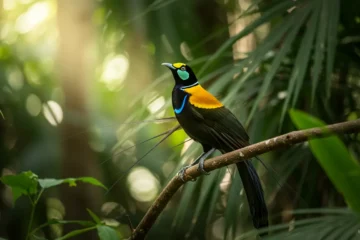

The Purple Sunbird is a small, colorful bird known for its shiny purple and blue feathers that sparkle in sunlight. It is native to parts of Asia and Africa. This bird can sometimes be spotted in aviaries or bird sanctuaries across the USA. It is admired for its beauty and energetic behavior.
Male Purple Sunbirds are especially eye-catching with their metallic plumage, while females have a more olive-yellow shade. These birds mainly feed on nectar but also enjoy small insects, making them active pollinators. Their lively movements and sweet chirping make them a delightful sight for bird enthusiasts.
Price of Purple Sunbird
The average price of a Purple Sunbird ranges between $100 and $250, depending on its age, health, and breeder.
Lifespan of Purple Sunbird
The Purple Sunbird usually lives around 5 to 7 years in the wild. It can live up to nearly 10 years in captivity, with proper care.
Characteristics of Purple Sunbird
The Purple Sunbird has many distinct features that make them stand out among other birds.
| General Characteristic | Features of Purple Sunbird |
| Scientific Name | Cinnyris asiaticus |
| Color | Males shine with deep metallic purple, while females are olive-brown above and yellowish below. |
| Size | Small bird, about 10 cm (4 inches) long. |
| Beak | Long, thin, and curved downward for sipping nectar. |
| Diet | Feeds mainly on nectar, but also eats small insects. |
| Habitat | Prefers gardens, open forests, and flowering trees. |
| Behavior | Very active and often seen hovering around flowers like hummingbirds. |
| Nesting | Builds small, hanging nests using grass and spider webs. |
Interesting facts about Purple Sunbird
The Purple Sunbird attracts people with its fascinating habits and appearance.
1. Shiny Metallic Plumage
The Purple Sunbird is known for its metallic feathers that shimmer in the sunlight. The male especially stands out with deep purple and blue hues that look different depending on the light. His feathers become even more radiant during the breeding season. This stunning colour helps attract females and adds to his charm. The female, on the other hand, has a soft olive-brown shade that blends well with her surroundings.
2. Small but Energetic Bird
The Purple Sunbird is full of energy and rarely sits still despite its tiny size. It constantly flits from one flower to another, searching for nectar. Its quick and lively movements make it fascinating to watch. It can survive in harsh climates and busy cities. Its high energy level shows just how strong and adaptable this little bird is.
3. Expert Nectar Feeder

The Purple Sunbird’s long, curved beak is perfectly designed for sipping nectar from flowers. It plays a vital role in pollination, just like bees and butterflies. Pollen sticks to its feathers as it drinks nectar and transfers to other flowers. This helps plants grow and reproduce naturally.
4. Seasonal Color Change
Purple Sunbird males’ seasonal transformation is one of its most fascinating traits. He sheds his glossy purple feathers and appears duller outside the breeding season. This change helps him blend into the environment and stay safe from predators. His bright plumage returns once mating season arrives, signaling strength and vitality. This natural color shift is truly magical to witness.
5. Sweet Melodic Voice
The Purple Sunbird has a lovely, cheerful song that fills gardens with life. Its soft chirps and whistles often sound like a happy tune in the morning breeze. Males usually sing to attract mates or mark their territory. These sweet songs make them one of the most loved garden birds.
6. Impressive Flight Skills
The Purple Sunbird has quick, darting flight patterns. It can hover near flowers, much like a hummingbird, while feeding. This ability allows it to reach nectar in flowers that are hard to perch on. Its strong, fast wings help it escape predators easily.
7. Protective Nest Builder
Female Purple Sunbirds are excellent nest builders. They create their tiny hanging nests. The nests are shaped like pouches and usually hang from tree branches or even near human homes. The female carefully decorates them with bits of leaves for camouflage. This shows her intelligence and skill in protecting her future chicks.
8. Adaptable to Urban Life
The Purple Sunbird easily adjusts to living near humans. You can often spot it in city gardens, parks, and even balconies. It doesn’t mind busy surroundings as long as there are flowers nearby. This adaptability helps the species thrive despite urbanization. It’s one of the few wild birds that continue to bring color to modern cities.
9. Active Pollinator Partner
The Purple Sunbird unknowingly helps plants reproduce while feeding on nectar. It spreads pollen from one flower to another, supporting plant growth. This makes the bird an important partner in maintaining healthy ecosystems. Farmers and gardeners often appreciate its natural pollination work. It’s a beautiful example of how small creatures can have big impacts on the environment.
10. Unique Courtship Display
The male Purple Sunbird puts on an impressive show to attract a mate during the breeding season. He flutters around the female, spreading his glowing feathers and singing loudly. His energetic display shows strength and confidence. The female usually watches carefully before choosing her partner. This courtship dance adds charm to their natural behavior.
11. Incredible Territorial Behavior
The male Purple Sunbird is very protective of his space, especially during breeding time. He chases away other males and even larger birds from his territory. His boldness is surprising, considering his small size. He guards his feeding and nesting area with great determination. This fearless attitude shows his strong instinct to protect his mate and offspring.
12. Seasonal Migration Habits
Some Purple Sunbirds stay in one place, while others migrate short distances during seasonal changes. They move to warmer areas in search of food when nectar sources become scarce. This migration is often influenced by flower availability rather than extreme weather. Their movement helps spread plant species and balance the ecosystem. These travel habits highlight their smart survival instincts.
Sightseeing of Purple Sunbird
Purple Sunbirds can be seen mainly in bird parks, aviaries, and private collections in the USA, since this bird is native to Asia and not naturally found in the wild in America.
| Exact Location | City / State |
| San Diego Zoo Safari Park | Escondido, California |
| Houston Zoo Aviary | Houston, Texas |
| Bronx Zoo – World of Birds Exhibit | New York City, New York |
| National Aviary | Pittsburgh, Pennsylvania |
| Audubon Zoo | New Orleans, Louisiana |
| Dallas World Aquarium | Dallas, Texas |
| Smithsonian’s National Zoo | Washington, D.C. |
| Los Angeles Zoo & Botanical Gardens | Los Angeles, California |
| Zoo Miami | Miami, Florida |
| Henry Doorly Zoo & Aquarium | Omaha, Nebraska |
Photography tips for Purple Sunbird
Here are some tips to capture a beautiful picture of these birds when the opportunity presents itself.
- Capture the Purple Sunbird early in the morning when the light is soft and natural.
- Use a zoom lens to get close shots without disturbing the bird’s natural behavior.
- Focus on flowers or feeders where the bird often visits for nectar.
- Keep your camera steady or use a tripod to get clear and sharp images.
- Be patient and quiet, as sudden movements can easily scare the bird away.
Final Thought
The Purple Sunbird is small, vibrant, and full of life. It has shimmering feathers, cheerful songs, and a hardworking nature. It not only adds color to our gardens but also plays a crucial role in pollination and ecosystem health. This tiny bird proves that even the smallest creatures can make a big difference in our world.
Most Asked Question
Q1: What does a purple sunbird eat?
Purple Sunbirds feed primarily on nectar. They also consume small insects and spiders.
Q2: Where does the purple sunbird live?
Purple Sunbirds live in South and Southeast Asia, the Indian subcontinent, and parts of the Arabian Peninsula and West Asia.
Q3: What kind of nests do Purple Sunbirds build?
They make small, hanging nests using grass, fibers, and spider webs, usually on tree branches or wires.
Q4: When is the best time to see a Purple Sunbird?
They are most active during the morning and early evening when feeding on nectar from flowers.